Growing cannabis indoors for the first time is exciting, but new growers tend to make the same handful of mistakes that compromise their results. Most of these errors are completely avoidable with basic knowledge and a willingness to resist the urge to over-manage your plants. Cannabis is a resilient plant that thrives with consistent, moderate care rather than constant intervention. Here are the mistakes that trip up beginners most often.
Overwatering
Overwatering is the single most common mistake new cannabis growers make. It is intuitive to think that more water means faster growth, but cannabis roots need oxygen as much as they need water. Soil that is constantly saturated suffocates the roots, leading to slow growth, yellowing leaves, drooping, and eventually root rot.
Water your plants only when the top inch or two of soil is dry. Lift the pot. A dry pot feels noticeably lighter than a saturated one. When you do water, water thoroughly until runoff appears at the bottom of the pot, then do not water again until the soil dries out. This wet-dry cycle encourages roots to grow deeper in search of moisture, which produces a stronger, healthier root system.
Over-Feeding Nutrients
New growers often pour on nutrients at full strength, assuming their plants need as much food as possible. Cannabis is actually a moderate feeder, and nutrient burn from overfeeding is far more common than nutrient deficiency. Symptoms include brown, crispy leaf tips, curling leaves, and dark green foliage that eventually yellows and dies.
Start with half the manufacturer s recommended nutrient concentration and increase gradually only if the plant shows signs of deficiency. Most quality potting soils contain enough nutrients for the first 3 to 4 weeks of growth, so newly transplanted seedlings often need nothing but water for the first month. Less is more when it comes to cannabis nutrition.
Incorrect pH
Soil pH determines whether your plant can absorb the nutrients available in the growing medium. Cannabis grows best in soil with a pH between 6.0 and 7.0, with 6.5 being the sweet spot. If the pH drifts outside this range, nutrients become locked out even if they are present in the soil, and the plant shows deficiency symptoms despite adequate feeding.
Test the pH of your water and nutrient solution before every watering. A simple pH pen or liquid test kit costs very little and prevents one of the most frustrating problems growers face. Adjust pH up or down using pH adjustment solutions available at any garden supply store.
Too Much or Too Little Light
Placing a seedling under a powerful grow light at full intensity will stress and bleach the young plant. Conversely, growing under a weak light produces tall, stretchy plants with thin stems and poor bud development. Match your light intensity to the growth stage. Seedlings need gentle light at a distance. Vegetating plants need moderate light. Flowering plants need maximum light intensity for dense bud production.
Light leaks during the dark period can cause flowering plants to revert to vegetative growth or develop hermaphroditic traits. Make sure your grow space is completely dark during the 12 hours of darkness in the flowering cycle. Even a small LED indicator light on a power strip can disrupt flowering if it shines directly on the plants.
Poor Ventilation
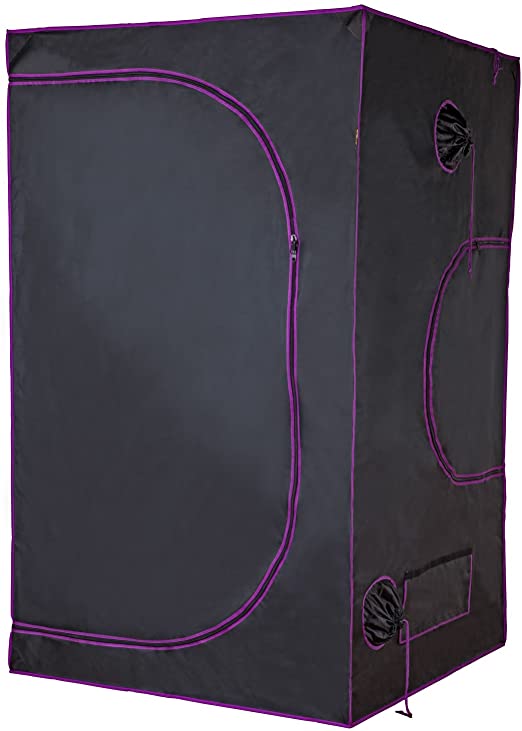
Cannabis plants need fresh air circulation for CO2 exchange, temperature regulation, and to strengthen stems through gentle air movement. A grow tent or room without adequate ventilation will develop hot spots, high humidity, and stagnant air that encourages mold and pests.
At minimum, use an oscillating fan inside the grow space and an exhaust fan with a carbon filter to remove heat, humidity, and odor. The fan should produce gentle leaf movement, not violent shaking. Plants that experience a constant gentle breeze develop thicker, stronger stems that support heavy buds during flowering.
Harvesting Too Early
Patience is the hardest part of growing cannabis. After months of work, the temptation to harvest at the first sign of mature buds is strong. But harvesting too early means lower potency, reduced yield, and underdeveloped flavors. Most strains need 8 to 10 weeks of flowering after the switch to 12/12 light, and some sativas need 12 weeks or more.
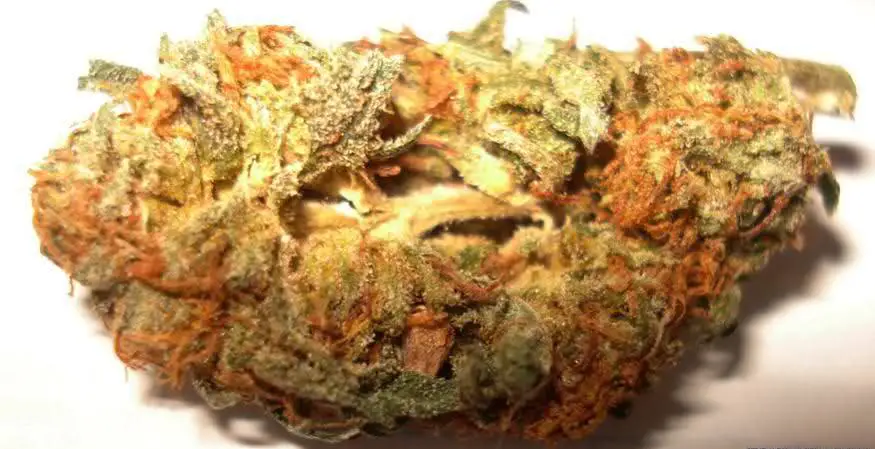
Use a jeweler s loupe or a handheld microscope to examine the trichomes on your buds. Clear trichomes indicate the plant is not yet ready. Milky white trichomes indicate peak THC production. Amber trichomes indicate THC is converting to CBN, producing more sedating effects. Most growers harvest when trichomes are mostly milky with a small percentage turning amber.
Not Keeping a Grow Journal
A simple log of watering dates, nutrient doses, pH readings, temperatures, and observations helps you learn from each grow cycle. When something goes wrong, your notes help you identify the cause. When something goes right, your notes help you replicate it. Even a basic spreadsheet or notebook makes a significant difference in how quickly you improve as a grower.