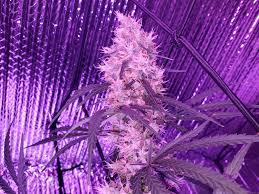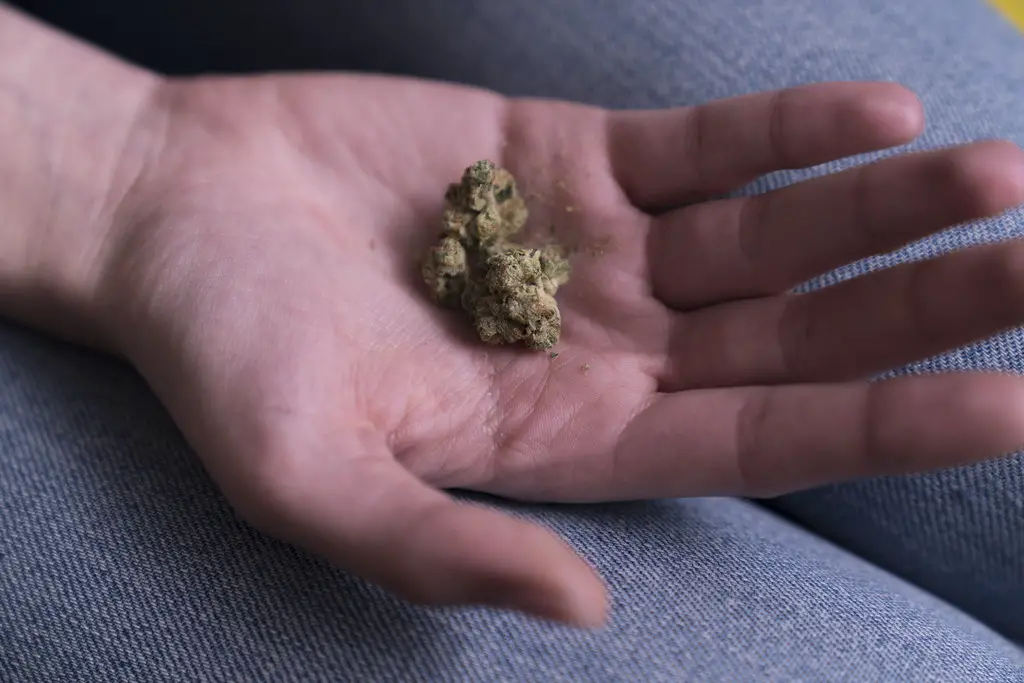
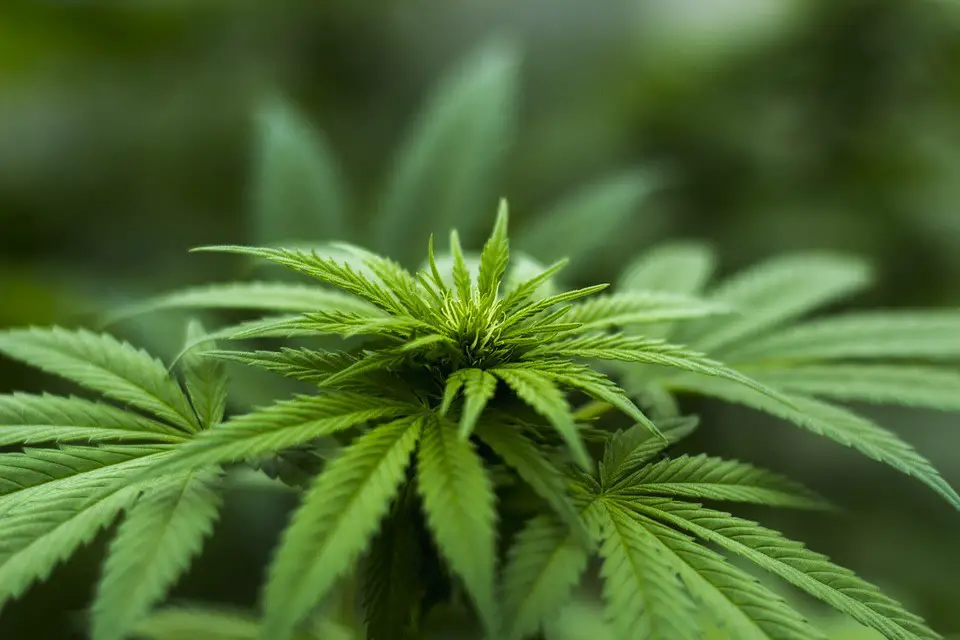
Walk into any dispensary and you will see cannabis organized into three categories: indica, sativa, and hybrid. These labels have been used for decades to describe the expected effects of different strains, with indica associated with relaxation, sativa with energy, and hybrid falling somewhere in between. The reality is more nuanced than these simple categories suggest, but understanding the traditional framework is still useful as a starting point.
Traditional Definitions
Indica strains are traditionally described as producing a body-focused, relaxing effect. They are associated with physical sedation, pain relief, appetite stimulation, and sleep promotion. The classic indica experience is often described as a heavy, couch-lock sensation that makes you want to stay put rather than go out. Indica plants tend to be short and bushy with broad leaves, and they typically have shorter flowering times than sativas.
Sativa strains are traditionally associated with an energetic, cerebral, uplifting effect. They are described as promoting creativity, focus, social engagement, and physical activity. The classic sativa experience is a head high that feels stimulating rather than sedating. Sativa plants grow tall and lanky with narrow leaves and generally take longer to flower than indicas.
Hybrid strains are crosses between indica and sativa genetics. They can lean toward either parent in terms of effects, growth characteristics, and appearance. Indica-dominant hybrids tend to produce relaxing effects with some cerebral stimulation. Sativa-dominant hybrids tend to be energizing with some body relaxation. Balanced hybrids aim for an even mix of both.
Why the Labels Are Oversimplified
Modern cannabis research has complicated the simple indica-sativa-hybrid framework. The effects of a given strain are determined by its specific combination of cannabinoids and terpenes, not by whether it is classified as indica or sativa. Two strains labeled as indica can produce very different effects if their chemical profiles differ, and some strains labeled as sativa can be quite sedating.
The original indica and sativa classifications referred to the physical characteristics of the plant, not its effects. Cannabis indica described a short, stocky plant from the Hindu Kush region. Cannabis sativa described a tall, narrow-leafed plant from equatorial regions. Over decades of selective breeding, the genetic lines have crossed so extensively that very few modern strains are pure indica or sativa. Almost everything available today is technically a hybrid.
What Actually Determines Effects
Cannabinoids are the primary active compounds in cannabis. THC produces the psychoactive high. CBD modulates THC effects and provides its own therapeutic benefits. CBN, CBG, and dozens of other minor cannabinoids each contribute to the overall experience. The ratio and concentration of these cannabinoids in a given strain have a much larger impact on effects than the indica or sativa label.
Terpenes are aromatic compounds that give cannabis its smell and flavor. Myrcene, the most common cannabis terpene, produces sedating effects and is found in higher concentrations in many strains labeled as indica. Limonene, which smells like citrus, is associated with mood elevation and is common in strains labeled as sativa. Linalool, also found in lavender, promotes relaxation. The terpene profile of a strain is a better predictor of its effects than its indica or sativa classification.
A Better Approach to Choosing Strains
Rather than choosing based solely on indica, sativa, or hybrid labels, consider what effects you want and look for strains with matching cannabinoid and terpene profiles. If you want relaxation and sleep, look for strains with higher myrcene content and moderate to high THC. If you want energy and focus, look for strains with limonene or pinene and moderate THC levels. If you want pain relief without strong sedation, consider strains with a balanced THC to CBD ratio.
Dispensary budtenders can help you match effects to products, and many dispensaries now list terpene profiles on their labels alongside THC and CBD percentages. Lab testing results provide the most reliable information about what a strain will actually do, while the indica-sativa label gives you a general starting point that may or may not match the actual experience.
Practical Guidance
For daytime use, start with strains described as sativa-dominant or uplifting hybrids. For evening use, start with indica-dominant strains or those described as relaxing. For balanced effects, try a hybrid that is neither strongly indica nor strongly sativa. Pay attention to how each strain affects you personally, as individual body chemistry plays a significant role in the experience. What relaxes one person may energize another. Keep notes on strains you try and their effects so you can identify patterns in what works best for you.