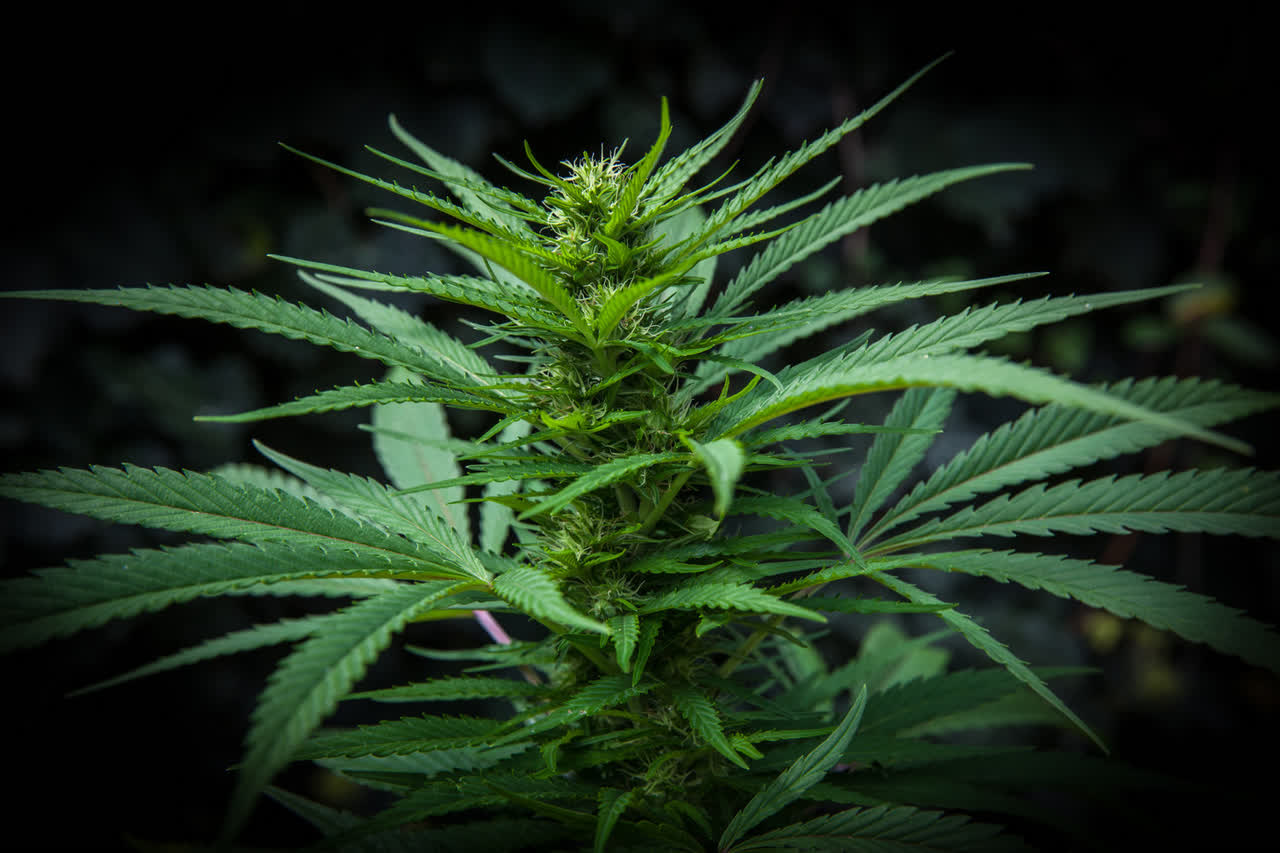

Walk into any dispensary and products are categorized as indica, sativa, or hybrid. For decades these labels served as shorthand: indica for relaxation, sativa for energy, hybrid for the middle. Modern cannabis science has complicated this framework.
Traditional Classification
Indica is associated with physical relaxation and sedation, recommended for evening use. Sativa is associated with cerebral stimulation and energy, recommended for daytime. Hybrid crosses both genetics.
Why Labels Are Misleading
The terms originally described plant physical characteristics, not consumer effects. Decades of crossbreeding have blurred genetic lines so thoroughly that virtually every strain is technically a hybrid. Research shows the indica/sativa classification does not reliably predict chemical composition.
What Actually Determines Effects
Cannabinoid profile: the ratio of THC to CBD plus minor cannabinoids like CBN, CBG, and THCV. Terpene profile: aromatic compounds that modulate cannabinoid effects. Individual biology: your endocannabinoid system, tolerance, metabolism, mood, and environment.
Key Terpenes
Myrcene: earthy, associated with sedation. Limonene: citrus, mood elevation. Linalool: floral, calming and anti-anxiety. Caryophyllene: peppery, interacts with cannabinoid receptors. Pinene: pine-like, alertness. Terpinolene: fruity, uplifting.
A Better Way to Choose
Look at lab test results when available. For relaxation, seek myrcene and linalool. For energy, seek pinene, terpinolene, or limonene. Keep a journal of strains, effects, and lab data to identify your preferences over time.