Growing cannabis in a spare closet is one of the most practical setups for people working with limited space. A standard reach-in closet measuring 2 feet deep by 4 feet wide can comfortably hold two to four plants, and the enclosed environment gives you solid control over light, humidity, and temperature. You do not need construction experience or expensive equipment to pull this off. What you do need is a clear plan, the right materials, and about a weekend of work.
Choosing the Right Closet
Not every closet works equally well. You want a closet that sits against an exterior wall if possible, since drilling a small vent hole to the outside is the easiest way to manage exhaust. The closet should have a standard electrical outlet nearby or inside it. If the only option is an interior closet, you can still make it work by running ducting to a window in the same room.
Measure the interior dimensions carefully. You need at least 2 feet of depth, 3 feet of width, and 5 feet of height for a functional setup. Taller closets give you more room for light distance and plant stretch during flowering. If your closet has sliding doors, consider replacing them with a curtain or removing them entirely so you can install a lightproof barrier with a zipper for easy access.
Materials You Will Need
- Reflective material: Mylar sheets or flat white paint (do not use aluminum foil, it creates hot spots)
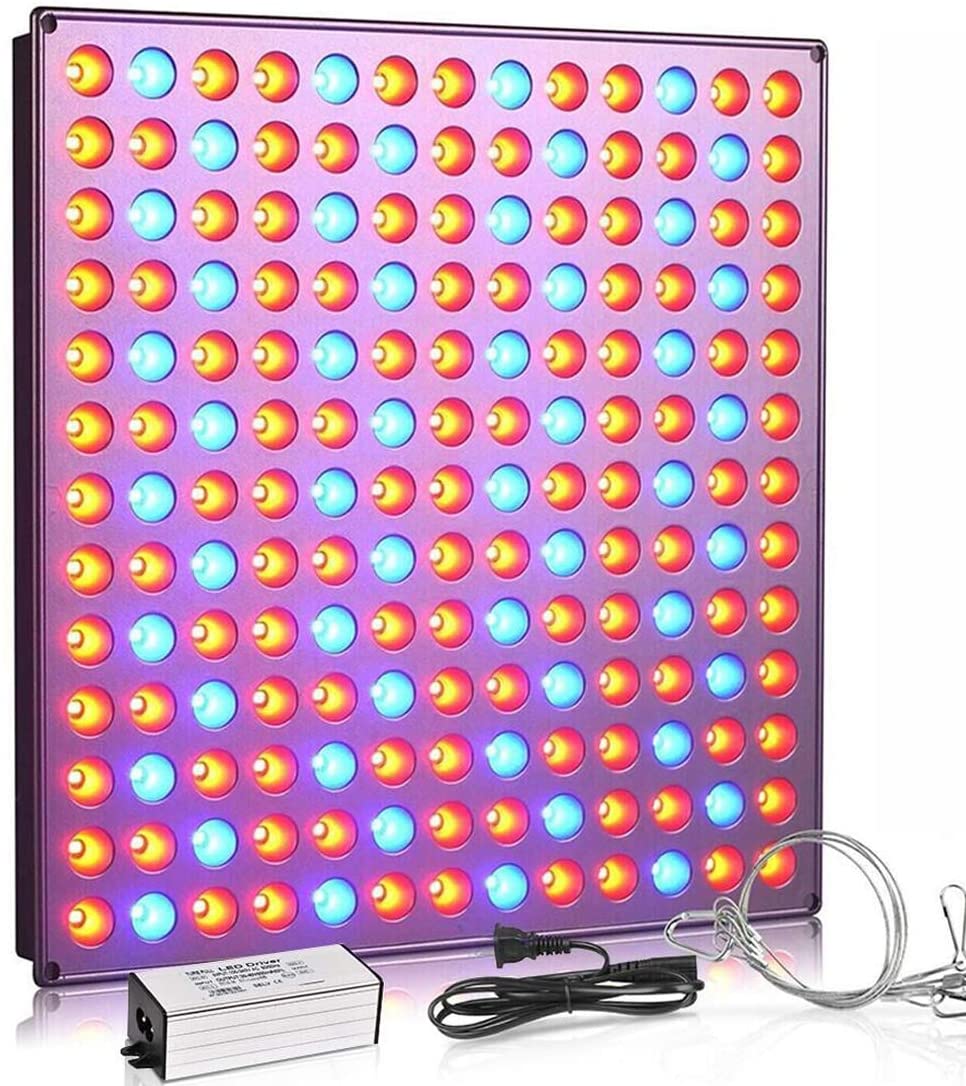
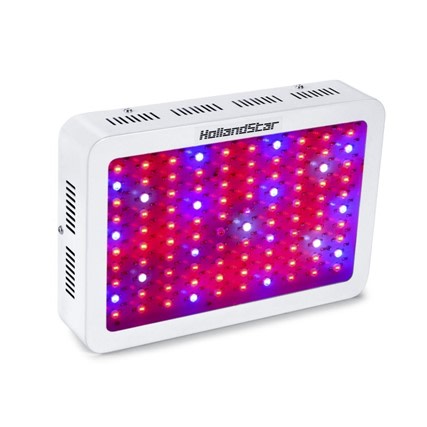
- Grow light: A 200 to 400 watt LED panel like the Spider Farmer SF-2000 ($200) or Mars Hydro TS 1000 ($80) for smaller closets
- Inline fan and carbon filter: AC Infinity CLOUDLINE T4 ($110) handles both air exchange and odor
- Ducting: 4-inch flexible aluminum ducting, about 8 feet
- Timer: A basic mechanical or digital timer for light scheduling ($10 to $25)
- Small oscillating fan: For air circulation inside the space ($15 to $20)
- Thermometer and hygrometer combo: Govee Bluetooth sensor ($15) works great for remote monitoring
- Pots, soil, and nutrients: Budget around $50 to $80 depending on medium
Step 1: Prep the Interior
Empty the closet completely. Clean the walls and floor. If the walls are painted a dark color, either paint them flat white or line them with Mylar sheeting. Flat white paint reflects about 85 to 90 percent of light, which is close to Mylar and far easier to maintain. Tape Mylar sheets smoothly against the walls if you go that route. Wrinkles and air bubbles reduce effectiveness and can create hot spots under intense lighting.
Lay down a waterproof tray or a cheap plastic shower liner on the floor. Spills and runoff will happen, and protecting the flooring underneath prevents damage and makes cleanup straightforward.
Step 2: Install the Exhaust System
Mount the carbon filter and inline fan at the top of the closet. Hot air rises, so pulling air from the top of the space is the most efficient approach. Connect the carbon filter to the intake side of the fan using a duct clamp, then run ducting from the fan exhaust out of the closet. You can route the ducting through a hole cut in the closet ceiling, through the wall, or out the closet door to a nearby window.
The AC Infinity CLOUDLINE T4 moves about 205 CFM, which is more than enough for a closet-sized space. It also has a built-in temperature and humidity controller, so it ramps up automatically when things get too warm.
Step 3: Set Up Lighting
Hang the LED panel from the closet rod or install hooks in the ceiling of the closet. Use adjustable rope ratchets so you can raise and lower the light as plants grow. During vegetative growth, most LED panels should sit 18 to 24 inches above the canopy. During flowering, you can drop that to 12 to 18 inches depending on the manufacturer recommendations.
For a 2x4 foot closet, a single Spider Farmer SF-2000 covers the footprint well. For a smaller 2x2 space, the Mars Hydro TS 1000 is more than sufficient and runs cool enough that heat management stays simple.
Step 4: Manage Airflow Inside
Place a small clip-on or oscillating fan inside the closet at canopy level. This keeps air moving across the plants, which strengthens stems and prevents pockets of stagnant humid air that invite mold and pests. The fan does not need to blast the plants directly. A gentle breeze that makes the leaves rustle slightly is all you need.
Step 5: Control the Environment
Hang your thermometer and hygrometer at canopy height. During vegetative growth, aim for 70 to 80 degrees Fahrenheit and 50 to 70 percent relative humidity. During flowering, drop the humidity to 40 to 50 percent and keep temperatures between 65 and 80 degrees. The exhaust fan handles a lot of this automatically, but you may need a small humidifier during early veg if your home runs dry, or a small dehumidifier during flowering if humidity stays stubbornly high.
Step 6: Lightproof the Space
This is the step people skip, and it causes real problems. During flowering, cannabis needs 12 hours of uninterrupted darkness. Any light leaks from door edges, electrical outlets, or indicator lights on equipment can stress plants and cause hermaphrodite issues. Use weatherstripping tape around the door frame, cover any LED indicator lights with electrical tape, and check the closet at night with the grow light off to look for leaks.
If you replaced the door with a curtain, use a double layer of blackout fabric with Velcro strips along the edges for a solid seal.
Budget Breakdown
A complete closet grow room setup typically runs between $300 and $600 depending on the light you choose and whether you already own some of the smaller items.
- LED grow light: $80 to $200
- Inline fan and carbon filter: $100 to $130
- Ducting and clamps: $15 to $25
- Reflective material or paint: $10 to $30
- Timer: $10 to $25
- Clip fan: $15 to $20
- Monitoring sensors: $15
- Pots, soil, nutrients: $50 to $80
That puts a solid mid-range setup around $350 to $450. You can spend less by choosing a budget LED, and you can spend more by adding automation like smart plugs or a more powerful light for bigger yields.
Common Closet Grow Mistakes
The biggest issue people run into is heat. LED lights produce less heat than old HPS bulbs, but in a small enclosed space, temperatures still climb quickly without proper ventilation. If your closet hits 85 degrees or higher regularly, your plants will suffer. Make sure the exhaust fan is sized correctly and running whenever the light is on.
The second most common mistake is overcrowding. It is tempting to fill the space with as many plants as possible, but overcrowded plants compete for light, develop poor airflow between them, and become magnets for mold and pests. Two plants in a 2x4 closet with proper training will out-yield four cramped plants every time.
Finally, noise can be a concern. An inline fan running 18 hours a day produces a constant hum. The AC Infinity models are among the quietest on the market, and mounting the fan with rubber isolation hangers or placing it on a foam pad reduces vibration noise further.