Growing cannabis outdoors remains one of the most rewarding and cost-effective ways to produce your own supply in 2026. With new state-level legalization expansions and an ever-growing body of research into best practices, there has never been a better time to try your hand at outdoor cannabis cultivation. Whether you have a sprawling backyard or a modest patio space, this guide will walk you through every step of growing healthy, potent cannabis plants under the open sky.
Understanding the Legal Landscape in 2026
Before you plant a single seed, it is critical that you understand the cannabis cultivation laws in your area. As of early 2026, home growing is permitted in numerous states across the United States, as well as in Canada and several European nations. However, plant count limits, security requirements, and zoning regulations vary significantly from one jurisdiction to another. Always check your local and state laws to ensure you are in full compliance before beginning your grow. Penalties for unlicensed cultivation can still be severe in many areas, so doing your homework upfront will save you a great deal of trouble down the road.
Choosing the Right Strain for Outdoor Growing
Strain selection is arguably the most important decision you will make as an outdoor grower. Not every cannabis variety thrives in every climate, and choosing the wrong strain can result in a disappointing harvest or even total crop failure. Here are some factors to consider when selecting your strain:
Climate Compatibility: If you live in a northern latitude with short summers, look for fast-finishing strains or autoflowering varieties that do not depend on changing light cycles to trigger flowering. Indica-dominant hybrids and autoflowers tend to finish earlier, making them ideal for cooler climates. If you are in a warm, Mediterranean-type climate, you have the luxury of growing longer-flowering sativa strains that can produce enormous yields.
Mold and Pest Resistance: Outdoor plants face challenges that indoor plants do not, including rain, humidity, and a wide range of insects. Strains bred for outdoor growing often have improved resistance to mold, mildew, and common pests. Look for varieties specifically marketed as outdoor-friendly or that have strong indica genetics, which tend to produce denser, more resilient buds.
Desired Effects: Think about what you want from your harvest. Are you looking for a relaxing body high to help with sleep, or do you want an energizing, creative buzz for daytime use? Understanding the difference between indica, sativa, and hybrid effects will help you choose a strain that matches your preferences.
Timing Your Grow: The 2026 Outdoor Calendar
Timing is everything when it comes to outdoor cannabis cultivation. In the Northern Hemisphere, the outdoor growing season typically follows this general timeline:
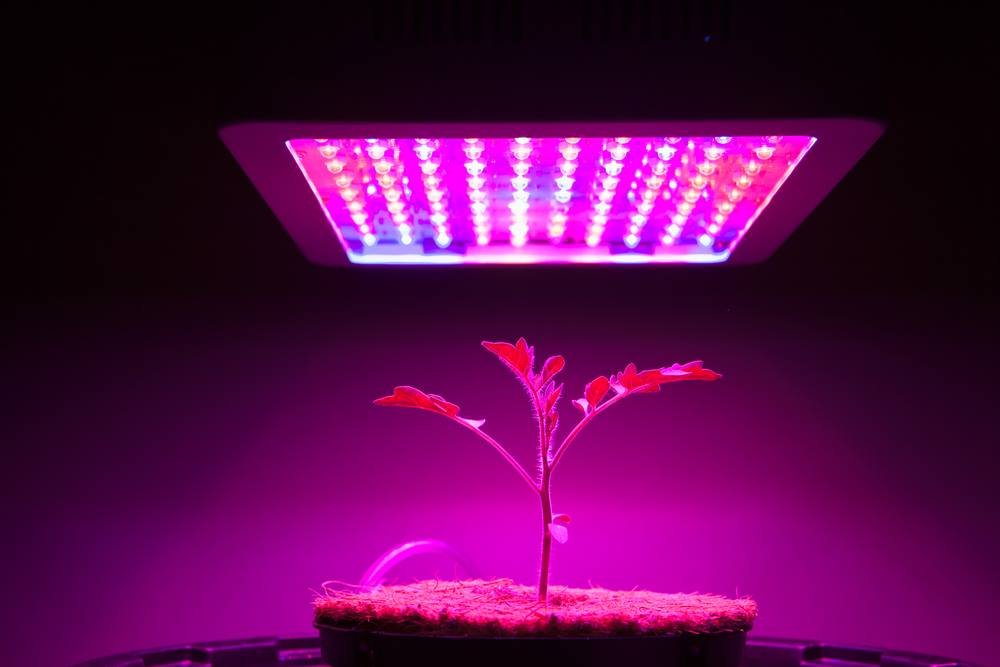
March to April: Start your seeds indoors or in a greenhouse. This gives your seedlings a head start before they are moved outside. Use a gentle grow light on an 18/6 light cycle to encourage strong vegetative growth.
May to June: Once the risk of frost has passed and nighttime temperatures consistently stay above 50 degrees Fahrenheit, it is safe to transplant your seedlings outdoors. Gradually harden them off by placing them outside for a few hours each day over the course of a week before making the permanent move.
July to August: Your plants will be in full vegetative growth mode, putting on size and structure. This is the time to focus on training, pruning, and providing ample nutrition. As the days begin to shorten after the summer solstice, photoperiod strains will start to transition into the flowering stage.
September to October: Flowering is in full swing. Monitor your plants closely for signs of mold, bud rot, and pest infestations. Harvest timing depends on your strain and your personal preference for bud maturity. Most outdoor growers harvest between late September and mid-October.
Preparing Your Growing Space
Outdoor cannabis plants need plenty of direct sunlight, ideally at least six to eight hours per day. Choose a south-facing location if you are in the Northern Hemisphere to maximize sun exposure. If privacy is a concern, consider using natural barriers like hedges, fences, or companion plants to screen your grow from neighbors.
Soil quality is another crucial factor. Cannabis thrives in well-draining, nutrient-rich soil with a slightly acidic pH between 6.0 and 7.0. If your native soil is poor, you can amend it with compost, worm castings, perlite, and other organic materials. Many growers opt for raised beds or large fabric pots filled with a high-quality potting mix, which gives them complete control over the growing medium.
Nutrients and Feeding Schedules
Cannabis is a hungry plant, and outdoor growers need to provide a balanced diet of macronutrients and micronutrients throughout the growing season. During the vegetative stage, nitrogen is the most important nutrient, promoting lush green growth and strong stems. As your plants transition into flowering, they will need more phosphorus and potassium to support bud development.
Organic growers often rely on amendments like bat guano, bone meal, kelp meal, and fish emulsion to feed their plants naturally. Synthetic nutrient lines are also available and can deliver precise ratios of nutrients. Whichever approach you choose, start with lower doses than recommended and increase gradually. Overfeeding is one of the most common mistakes beginners make, and it can lead to nutrient burn, lockout, and reduced yields.
Watering Practices for Outdoor Cannabis
Proper watering is essential for healthy outdoor cannabis plants. The frequency and volume of watering will depend on your climate, soil type, pot size, and the age of your plants. As a general rule, water deeply and then allow the top inch or two of soil to dry out before watering again. This encourages strong root development and prevents issues like root rot.
In hot, dry climates, you may need to water daily during the peak of summer. Mulching around the base of your plants with straw, wood chips, or cover crops can help retain moisture and keep the root zone cool. In humid or rainy climates, drainage becomes the primary concern. Make sure your containers or garden beds drain freely to avoid waterlogged roots.
Training Techniques to Maximize Yields
One of the biggest advantages of outdoor growing is the potential for massive yields, and training your plants can help you realize that potential. Low-stress training involves gently bending and tying down branches to create a more even canopy, allowing more bud sites to receive direct sunlight. Topping, which involves cutting the main growing tip, encourages the plant to develop multiple main colas instead of one central stalk.
Defoliation, or selectively removing fan leaves, can improve airflow and light penetration within the plant, reducing the risk of mold and helping lower bud sites mature. However, be conservative with defoliation on outdoor plants, as those leaves also serve as energy factories and provide protection from intense sunlight.
Pest and Disease Management
Outdoor plants are exposed to a wide range of pests and diseases, including spider mites, aphids, caterpillars, powdery mildew, and botrytis (bud rot). Prevention is always better than treatment. Inspect your plants regularly, at least every few days, and take immediate action at the first sign of trouble.
Companion planting is a fantastic organic strategy for pest management. Planting basil, marigolds, lavender, or dill near your cannabis can repel harmful insects while attracting beneficial predators like ladybugs and lacewings. Neem oil and insecticidal soaps are effective, organic-friendly treatments for most common pests.
For mold and mildew prevention, maintain good airflow around your plants through strategic pruning and spacing. Avoid watering late in the day, as moisture sitting on leaves overnight creates ideal conditions for fungal growth. If rain is in the forecast during late flowering, consider covering your plants with a temporary canopy to keep the buds dry.
Harvesting and Curing Your Outdoor Crop
Knowing when to harvest is a skill that develops with experience. The most reliable method is to examine the trichomes on your buds using a jeweler's loupe or digital microscope. When the majority of trichomes have turned from clear to milky white, with a small percentage turning amber, it is generally the ideal time to harvest for maximum potency. More amber trichomes will produce a heavier, more sedating effect.
After cutting your plants, hang them upside down in a cool, dark, well-ventilated space with temperatures around 60 to 70 degrees Fahrenheit and humidity around 55 to 65 percent. Drying typically takes 7 to 14 days. Once the smaller branches snap rather than bend, it is time to trim your buds and transfer them to airtight glass jars for curing.
Curing is the final and often overlooked step that dramatically improves the flavor, aroma, and smoothness of your cannabis. Open the jars once or twice a day for the first two weeks to release excess moisture and allow fresh air to circulate. After that, burping once every few days is sufficient. A minimum cure of four weeks is recommended, though many experienced growers cure for eight weeks or longer.
Final Thoughts
Outdoor cannabis growing in 2026 is accessible, affordable, and deeply satisfying. By choosing the right strain, preparing your site carefully, and staying attentive to your plants throughout the season, you can produce a bountiful harvest of high-quality cannabis right in your own backyard. Start small, learn from each grow cycle, and do not be afraid to experiment. The outdoor growing community is welcoming and full of valuable knowledge, so connect with fellow growers online and at local events to accelerate your learning journey.